- The Subject
- Posts
- U.S. Financial Clock Ticking Toward Zero
U.S. Financial Clock Ticking Toward Zero
With the U.S. Treasury exhausting emergency measures, the nation faces a critical debt crisis, risking a government default by mid-July unless Congress intervenes to raise or suspend the borrowing limit

The Subject
March 25, 2025

Good morning, Did you know? The world's quietest room, located in Minnesota, is so silent you can hear your heartbeat! Maybe that’s the level of peace we all need today.
Enjoy the calm before the chaos!
ECONOMY
U.S piggy bank could run dry by mid-July
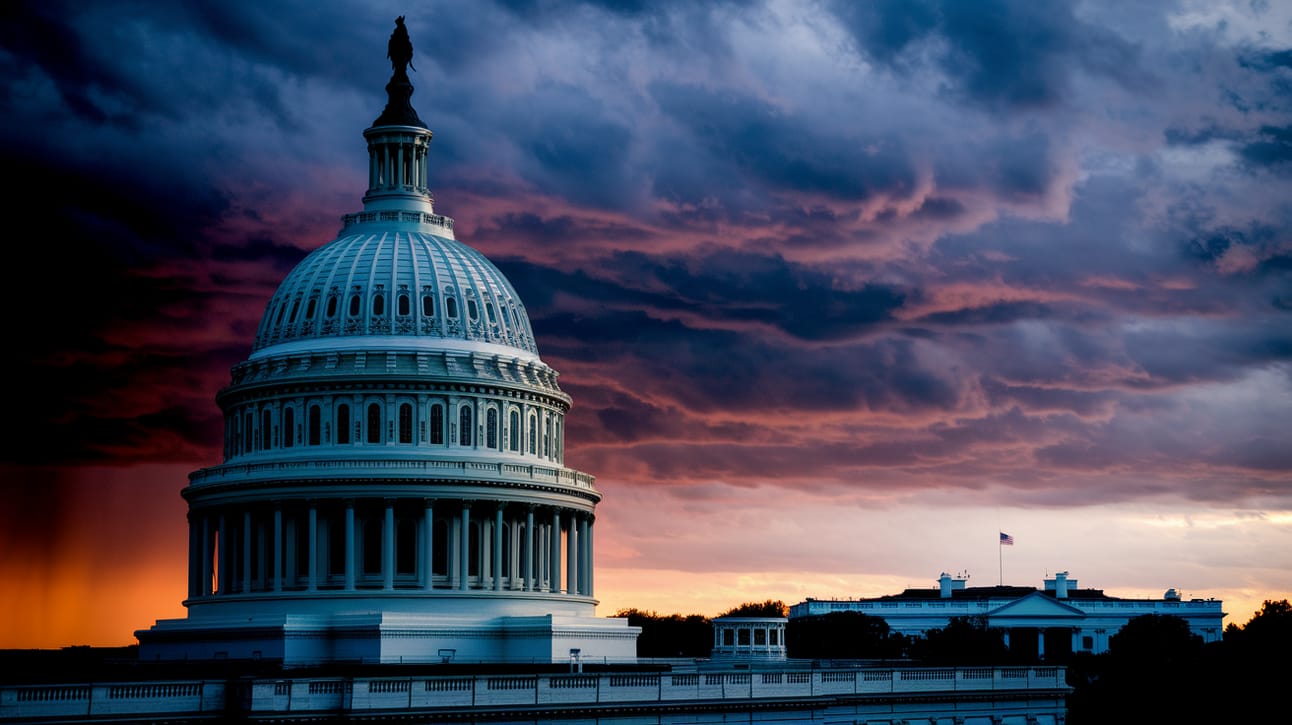
Original representational image by Subject/Ideogram
Yep, the U.S. might not pay its bills. What’s this “X-date” everyone’s whispering about? Monday’s news hit like a warning bell: the Bipartisan Policy Center says the U.S. could run out of cash by mid-July unless Congress lifts or suspends the debt limit. That’s the “X-date”—when the Treasury can’t juggle its books anymore and defaults loom. It’s not set in stone; the think tank pegs it anywhere from July to early October, depending on tax hauls, disaster spending, and Trump’s tariffs. The Treasury has been using “extraordinary measures” since January 21—shifting funds, pausing investments—to keep things afloat, a trick Janet Yellen kicked off. Scott Bessent is running with it now.
The debt’s ballooning toward $37 trillion, up from a $31.4 trillion cap suspended in June 2023 until January 1, 2025. The government borrows big to cover deficits—think military pay, Social Security, and interest to bondholders. Republicans want tax cuts worth trillions but baulk at trimming safety nets, the debt’s real engine. Bessent’s letter this month urged Congress to act, hinting at a May update, while House GOP pitches a $4 trillion debt hike tied to $4 trillion in tax breaks.
Picture your paycheck stalling while bills pile up—that’s the U.S. if this flops. I’ve got the figures locked—$37 trillion, July to October—and I’ll track if Congress dodges this bullet or trips into chaos.
ENERGY
Trump slaps 25% tariff on Venezuelan oil

Image: Getty Images
Trump’s shaking up the oil game—Chevron gets two more months in Venezuela, but a 25% tariff looms large. What’s the deal with this double play? I’m diving into a tale of deadlines, tariffs, and 503,000 barrels a day, all tied to a tense U.S.-Venezuela standoff. Ever think about how global oil moves affect your wallet? I’ll unpack the numbers—May 27, 1.5% crude jumps, and what’s at stake for Chevron and beyond.
Monday hit with a one-two punch from the Trump administration. First, they stretched Chevron’s wind-down in Venezuela—operating there since 2022 under a U.S. license—to May 27, giving the oil giant until late spring to wrap up exports, all bound for the U.S. Then, Trump dropped a bombshell on Truth Social, starting April 2, any country buying Venezuela’s oil or gas faces a 25% tariff on U.S. trades. Why? He says Venezuela’s sent “tens of thousands” of violent migrants stateside. Crude oil futures spiked nearly 1.5% on the news.
Chevron’s caught in the middle—originally given 30 days from March 4 to exit after Trump blasted Venezuela’s Nicolas Maduro for stalling on reforms. With this extension, they’ve got breathing room, but the tariff squeezes others. In February, China might feel the heat most, scarfing up 503,000 barrels per day (55% of Venezuela’s exports). Past tariffs there forced Venezuela’s PDVSA to slash prices. Spain, Italy, Cuba, and India buy too, but U.S. imports stop on May 27. Meanwhile, Shell is eyeing Venezuelan gas exports to Trinidad by 2026. No word yet from Chevron or Maduro.
AI & TECHNOLOGY
Apple’s turning up the sound game

Image: Apple
AirPods Max are getting lossless audio and ultra-low latency via their USB-C cable. The update, dropping in April with iOS 18.4, iPadOS 18.4, and macOS Sequoia 15.4, pumps out 24-bit, 48 kHz sound—pure, uncompressed quality straight from the studio. That means over 100 million Apple Music tracks, plus Personalized Spatial Audio with head tracking, will feel richer and more immersive. Sorry, Lightning Max fans—this is USB-C only.
Then there’s the ultra-low latency perk. Musicians can record and mix with zero-quality drop, tweaking Spatial Audio on the fly. Gamers? You’ll dodge lag, hearing every move in real-time. It’s a free firmware gift, but you’ll need that USB-C cable plugged in. Sound better days ahead? Bet on it.
A Note From Us:
Thanks for reading today’s edition! Stay tuned for more updates and insights on the next issue. Don’t forget to share and spread the word—your support helps us bring the latest news straight to your inbox. Have a productive day ahead!