- The Subject
- Posts
- Tariff Tsunami Hits the Auto Lane
Tariff Tsunami Hits the Auto Lane
Think of a highway during rush hour, when a sudden crash halts traffic for miles. Trump’s tariff is that crash — and the economy's now stuck in gridlock, with honking investors, fuming workers, and no detour in sight

The Subject
April 09, 2025

Good morning, Hope you slept well because your car just got 25% more expensive overnight, your stocks might be crashing before your coffee brews, and coal is back like it’s 1923.
Happy hustling!
TARIFF
Trump’s tariffs hit auto industry
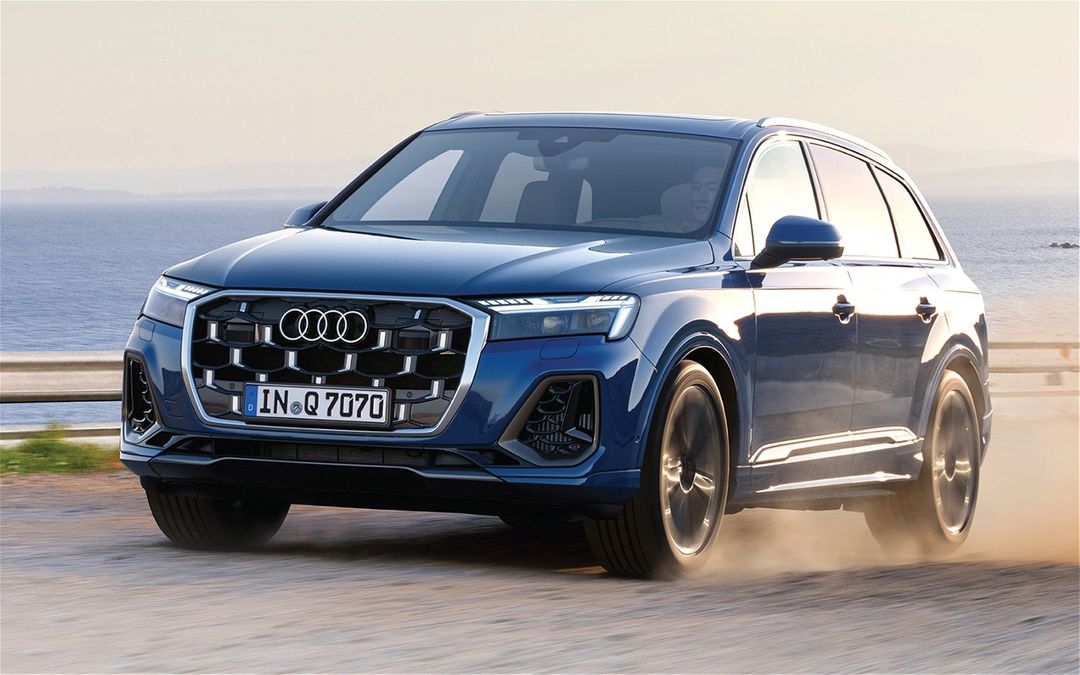
Image: Audi
President Trump’s 25% auto tariffs, enacted last week, have already forced major carmakers to halt U.S. imports, idle factories, and lay off hundreds of workers—with consumers potentially facing price hikes of over $20,000 per luxury vehicle. What happens when a trade policy hits the gas too fast? Jaguar Land Rover and Audi have paused exports to the U.S., Stellantis idled plants in Canada/Mexico, and 900 American workers lost jobs overnight. But is this just the first gear in a larger economic engine?
The tariffs' immediate impact is clear:
$20,000+ per car: Tariffs on high-end models like Jaguar’s could add five figures to sticker prices.
900 layoffs: Stellantis cut U.S. engine plant jobs tied to idled Mexican/Canadian factories.
Stock slides: Ford, GM, and Tesla shares dropped as investors brace for long-term pain. Yet GM’s Indiana plant increased light-truck production—a rare win for Trump’s “Made in America” push.
Imagine shopping for a new car only to find fewer options and average prices nearing $50,000. Dealers report a pre-tariff buying frenzy, with cars selling 27 days faster than in January. But May’s auto parts tariffs loom, threatening even U.S.-made vehicles reliant on foreign components. “Buckle up,” warns dealer Sean Hogan—uncertainty is the new normal.
Watch for two critical dates: May 3 (auto parts tariffs) and June 2 (Hyundai’s price freeze deadline). Will automakers pivot to profit-heavy SUVs, as KPMG predicts, or will shrinking affordability spark a used-car boom? With Trump eyeing tariffs on medicines and chips next, the road ahead is anything but smooth. As CarGurus’ Kevin Roberts notes, “The traditional playbook is not enough.”
ECONOMY
Preparing for the economic storm

The U.S. economy is on shaky ground, with major banks like J.P. Morgan and Goldman Sachs warning of a 60% and 45% chance of recession, respectively, following President Trump’s tariff announcements. This has sent the S&P 500 plummeting by 11% in just three trading days. What can you do to weather this potential economic downturn? The answer depends on your financial situation. If you’re young and financially stable, experts advise against panicking, but if you’re older or have limited savings, it’s crucial to build a financial buffer.
Experts recommend:
Liquid Savings: Older workers, who are more likely to face layoffs, should prioritize having accessible cash reserves. Economist Cory Stahle emphasizes that having liquid savings can be a lifesaver during tough times.
Cut Back Spending: Economist David Blanchflower suggests cutting back on luxuries and deferring non-essential expenses like car maintenance or dentist appointments2.
Invest Wisely: If you have extra funds, consider investing strategically, but only if you can afford the risk. Mark Zandi advises checking your investment strategy with a manager if possible.
Imagine living paycheck to paycheck and facing a sudden job loss. Recessions can be self-fulfilling prophecies if everyone cuts back simultaneously, as noted by Adam Ozimek. This collective caution can exacerbate economic contraction, making it harder for governments to intervene effectively.
ENERGY
Trump bets big on coal—again

Image: AP News
Donald Trump is once again backing coal, signing fresh executive orders to revive an industry long in decline—and stirring up a storm in the energy world. Coal now powers less than 20% of U.S. electricity, down from 50% at the turn of the century. So why is Trump pushing to bring it back, especially as the world moves toward cleaner energy?
The orders, to be signed at 3 p.m. (19:00 GMT), aim to stop the shutdown of coal plants, lift a federal leasing ban, and possibly label coal for steelmaking a “critical mineral”—a move that could reshape federal policy.
With U.S. power demand rising—driven by AI data centres, EVs, and crypto—Trump is betting coal can make a comeback. But critics call it a step backwards. Coal plants still only run 40% of the time and remain major polluters. Still, investors cheered, with shares in Peabody and Core Natural Resources jumping 9%.
Expect sparks to fly. Trump's orders may please coal backers and rattle environmentalists, but they open a new chapter in the long-running clash between energy reliability and climate responsibility.
AI & TECHNOLOGY
Amazon’s Zoox begins LA testing

Image: Wired/Bloomberg
Amazon’s Zoox has started testing in Los Angeles, deploying Toyota Highlanders with its self-driving tech to map the city. Though the vehicles are manually driven, the move marks Zoox’s sixth test city and a step toward launching public robotaxi rides in San Francisco and Las Vegas later this year.
Zoox is already testing its steering wheel-free robotaxis without drivers in Foster City, San Francisco, and Las Vegas, while operating human-monitored tests in Austin, Miami, and Seattle. This comes shortly after a voluntary recall of 258 vehicles due to hard braking issues. While Waymo remains ahead with paid robotaxi services in multiple cities, Zoox is steadily building toward a commercial rollout.
A Note From Us:
Thanks for reading today’s edition! Stay tuned for more updates and insights on the next issue. Don’t forget to share and spread the word—your support helps us bring the latest news straight to your inbox. Have a productive day ahead!