- The Subject
- Posts
- Tariff Truce Tensions Stay
Tariff Truce Tensions Stay
Despite agreeing to lower tariffs with the U.S. China signals no shift in its assertive stance on territorial claims military presence and technology restrictions setting the stage for continued geopolitical friction across Asia

The Subject
May 14, 2025

Sponsored by

Good morning, As the world tiptoes around trade truces and currency swings, remember even global giants start their day one decision at a time.
—Capitalism's working hard. Hope you are too!
ECONOMY
China stays tough post-tariff deal
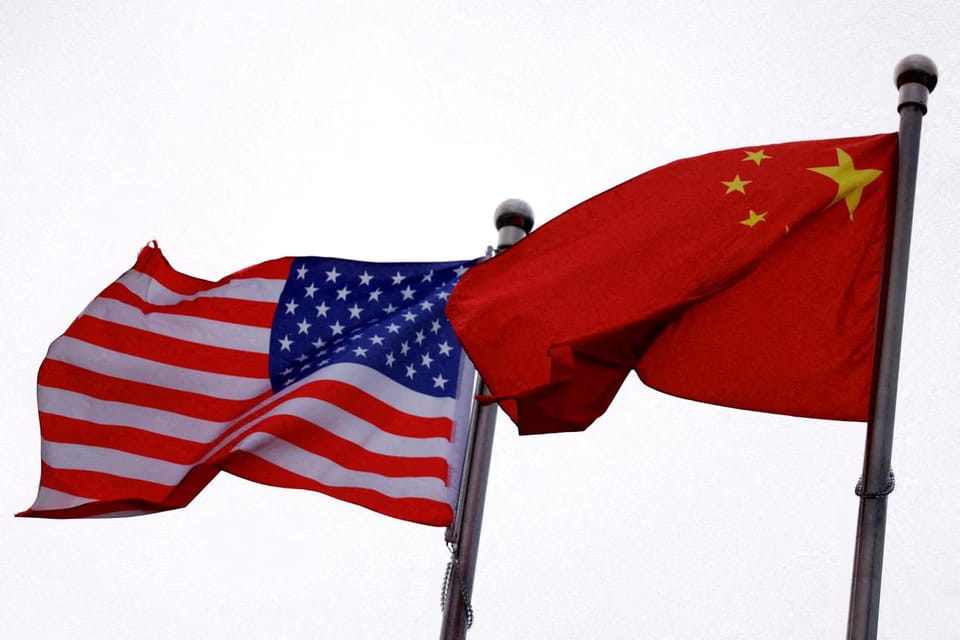
The U.S. and China agreed to cut high tariffs, but Beijing braces for more rivalry with Washington. China is mixing economic outreach with a hard stance on territorial claims, expecting tensions over U.S. military plans and tech curbs to persist.
The tariff truce, following May 9-10 talks in Switzerland, aims to ease trade tensions, but experts like Jonathan Czin from Brookings say China views it as a U.S. tactical move, not a shift in hostility. A Trump-Xi summit may follow, though mistrust remains deep.
Xi Jinping promotes China as a stable partner, visiting Vietnam, Cambodia, Malaysia, and meeting Latin American leaders. Yet, a May 12 Chinese white paper warns of “external threats,” and actions like Coast Guard moves near disputed islands and Taiwan drills show Beijing’s firm stance.
U.S. allies in Asia—Japan, Australia, the Philippines—stand firm, seeing China as a security threat, per Ely Ratner of the Marathon Initiative. A recent Quad meeting and U.S.-Philippine exercises highlight this unity, limiting China’s regional sway.
Aspect | Details |
|---|---|
Tariff Levels | U.S.: 145%; China: 125% (pre-truce) |
Talks Outcome | Framework set; statement due May 12 |
Chinese Actions | Moves near Diaoyu/Senkaku, Sandy Cay; Taiwan drills |
U.S. Alliances | Strong with Japan, Philippines; Quad meeting May 2025 |
China faces economic strain, with April 2025 deflation tied to the trade war. Beijing’s lack of election pressure gives it an edge, per the Atlantic Council’s Dexter Roberts. A 2020 trade deal with the U.S. remains unaddressed, reflecting ongoing distrust.
Shen Dingli from Shanghai predicts short-term calm but long-term clashes over issues like Taiwan. Richard McGregor of the Lowy Institute says China won’t ease up on maritime claims, balancing economic charm with assertiveness. China’s dual approach may shift Asian dynamics, using U.S. trade chaos to gain allies. But strong U.S. partnerships and security concerns curb its influence. The May 12 statement will clarify next steps, though tensions are likely to linger.
SPONSORED BY 1440
Looking for unbiased, fact-based news? Join 1440 today.

Join over 4 million Americans who start their day with 1440 – your daily digest for unbiased, fact-centric news. From politics to sports, we cover it all by analyzing over 100 sources. Our concise, 5-minute read lands in your inbox each morning at no cost. Experience news without the noise; let 1440 help you make up your own mind. Sign up now and invite your friends and family to be part of the informed.
ENERGY
Congo’s Cobalt plan shakes battery market
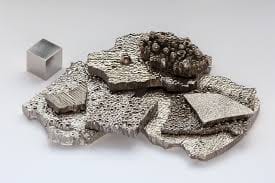
Cobalt market braces for a pivotal decision from the Democratic Republic of Congo (DRC), the source of 75% of global supply. A potential extension of the February 22 export ban or strict quotas could spike prices, already up 50%, and reshape the battery industry, per a Benchmark Mineral Intelligence report for the Cobalt Institute.
Congo halted cobalt exports on February 22, 2025, after prices hit historic lows due to overproduction by China’s CMOC Group Ltd., which boosted output 31% beyond stated capacity. Benchmark warns that extending the ban or imposing tight quotas could further drive prices up, pushing battery makers to adopt cobalt-free alternatives like lithium iron phosphate (LFP) batteries.
Cobalt demand, driven 43% by EVs in 2024, grew 12% last year. However, Chinese EV makers are increasingly using LFP batteries, avoiding cobalt. Congo’s cobalt, a byproduct of copper mining, faces complications as copper prices hit record highs in 2024, spurring output. Indonesia’s cobalt supply share is set to rise from 12% in 2024 to 22% by 2030.
China dominates cobalt refining at 79%, with Finland at 7%, per Benchmark. The U.S. is negotiating with Congo for access, offering security assistance to counter China’s grip on the supply chain. Geopolitical strategies focus on diversifying supply amid China’s lead in the battery value chain.
Artisanal mining in Congo, once 10% of output in 2018, dropped to under 2% in 2024 due to low prices and industrial mining growth. Despite providing livelihoods for millions, safety and child labor concerns have fueled global regulatory efforts, with artisanal mining unlikely to recover its share.
Cobalt’s role in batteries, superalloys, and defense makes it a critical mineral. CMOC, Glencore Plc, and Eurasian Resources Group lead production in Congo. The DRC’s decision will test the balance between policymakers, miners, and manufacturers as they navigate supply risks and market shifts.
AI & TECHNOLOGY
Sony faces $700M tariff blow
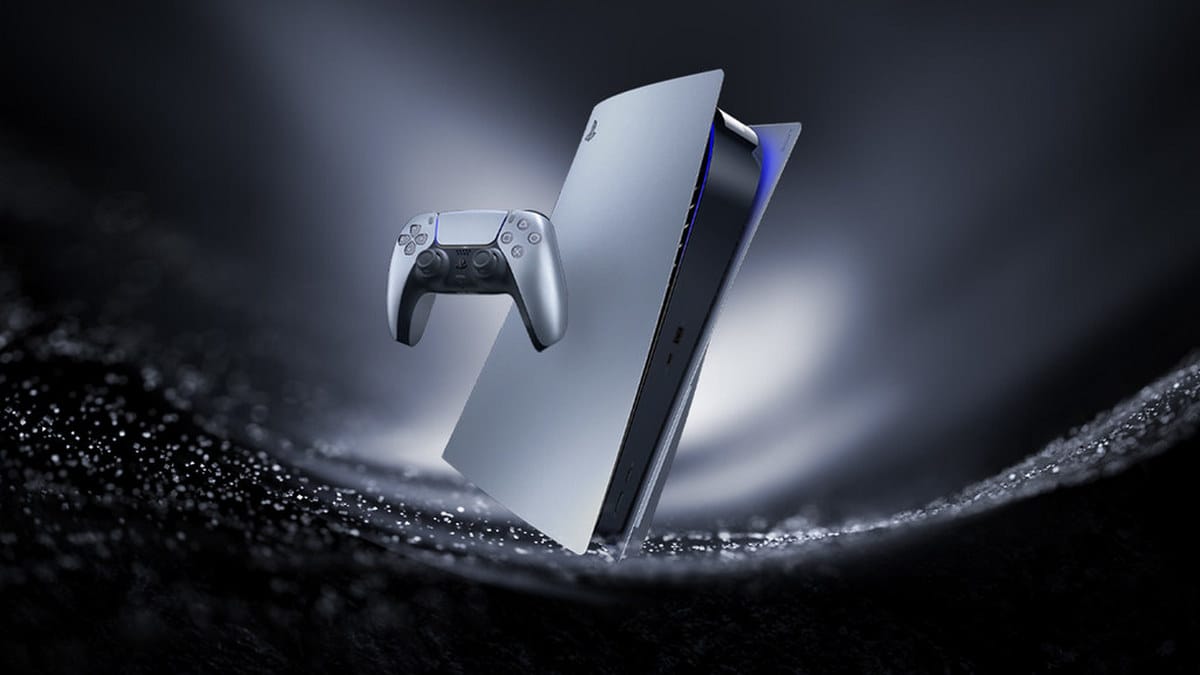
Image: Sony
Sony Group Corp. dropped a cautious forecast today, projecting a ¥100 billion ($700 million) hit from U.S. tariffs, flattening its operating profit at ¥1.28 trillion for the year to March 2026—below the ¥1.5 trillion analysts expected. Despite a strong Q1 with ¥203.7 billion in operating income and 18.5 million PlayStation 5 units sold, tariffs loom large over its U.S.-heavy sales, mostly produced in China.
New CEO Hiroki Totoki announced a ¥250 billion share buyback and a September 29 listing for Sony’s financial unit, boosting shares by 4.5%. But challenges mount: the delayed Grand Theft Auto VI hurts PS5 momentum, Nintendo’s Switch 2 looms in June, and tariffs threaten image sensors for smartphones and Japanese films like Demon Slayer.
Sony’s navigating a stormy horizon balancing tariff pressures, gaming rivalries, and global ambitions while betting on buybacks to keep investors on board. The entertainment giant’s next moves will test its resilience in a tariff-charged world.
A Note From Us:
Thanks for reading today’s edition! Stay tuned for more updates and insights on the next issue. Don’t forget to share and spread the word—your support helps us bring the latest news straight to your inbox. Have a productive day ahead!