- The Subject
- Posts
- Power Struggles and Economic Jitters
Power Struggles and Economic Jitters
The OECD rings alarm bells as trade wars throttle growth. AI might be the future’s economic engine, but can it outrun the damage done by rising barriers?

The Subject
March 18, 2025
Good morning, Courts are throwing punches, tariffs are throwing wrenches, and Trump is throwing deportation orders like confetti. Meanwhile, clean energy is the cheapest option, but let’s keep arguing about it. AI is busy reading your Slack messages (with permission, of course).
It’s just another day in the circus!
WORLD
Courts vs. White House
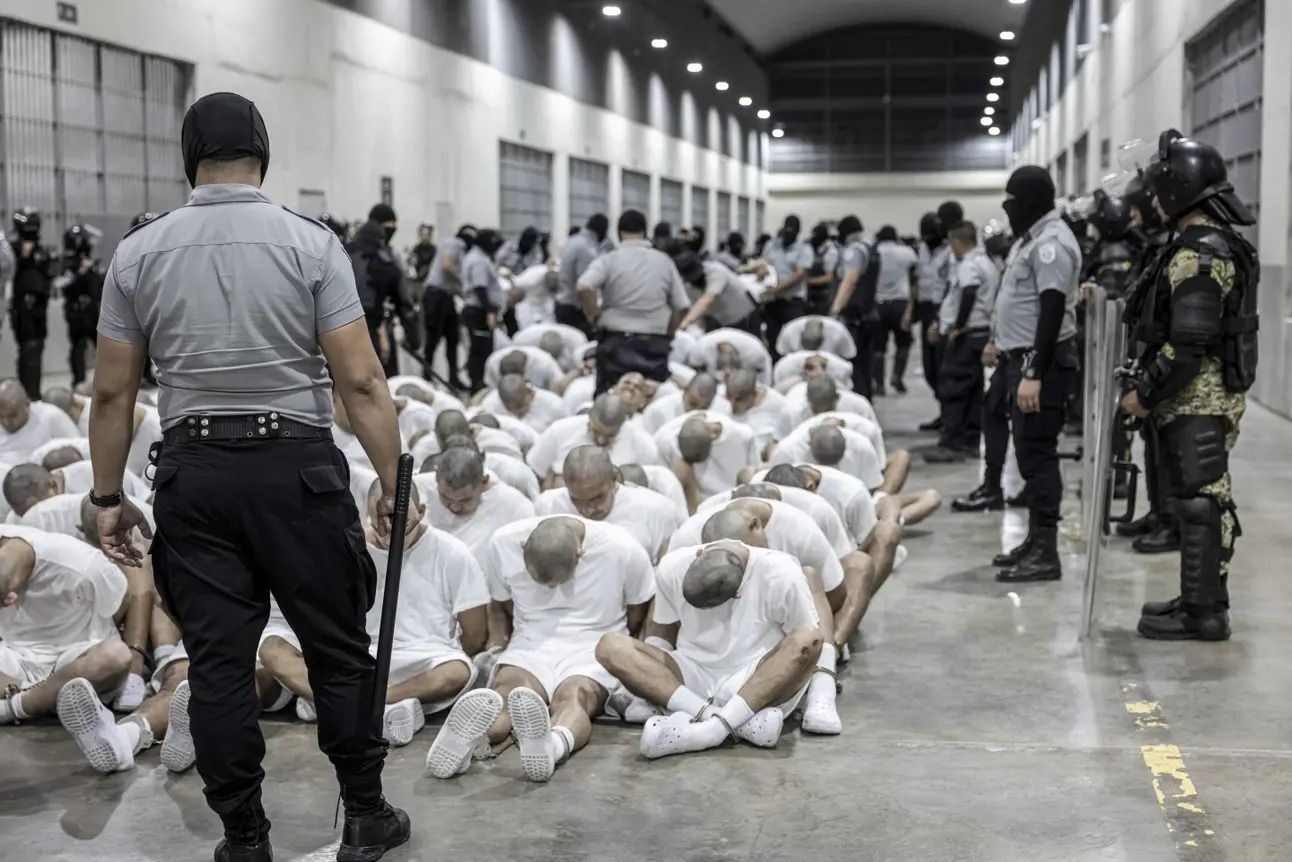
Image: AP Photo
A legal showdown is unfolding as a U.S. judge questions whether the Trump administration defied his order to halt the deportation of 238 alleged Venezuelan gang members.
Judge James Boasberg had blocked Trump’s use of the Alien Enemies Act of 1798, a rarely invoked wartime law, but deportation flights still landed in El Salvador. President Nayib Bukele mocked the ruling, posting footage with the caption “Oopsie … too late.”
The White House insists the courts have no authority over deportations, while Trump’s border czar, Tom Homan, declared: “We’re not stopping.” Legal experts warn this defiance could escalate tensions between the executive and judiciary.
With a hearing set, the battle over who holds the real power—Trump or the courts— is far from over.
ECONOMY
OECD warns of slowing global economy
Original representational image by Subject/Ideogram
The global economy is heading for a slowdown, and trade tensions are a major culprit. According to the OECD, worldwide growth is expected to dip from 3.2% in 2024 to 3.1% in 2025 and 3% in 2026. The U.S. is in for a steeper decline, with growth projected to slide from 2.8% in 2024 to 2.2% this year and 1.6% next year.
What’s driving the slump? Tariffs. Lots of them. Trump’s 25% levy on foreign steel and aluminium has soured relations with allies like Canada, the EU, and Japan, while China remains locked in a trade battle. Retaliatory tariffs are piling up, inflation is ticking higher, and business confidence is slipping.
Europe isn’t faring much better—growth in the eurozone is crawling at just 1%. Mexico’s outlook is even worse, with its economy expected to shrink by 1.3% next year. The bright spots? India and China, with India’s GDP forecasted to climb to 6.6% by 2026, while China holds steady at 4.4%.
One wildcard: artificial intelligence. OECD economists believe AI could supercharge productivity over the next decade, especially when paired with robotics. However, if trade barriers keep rising, even that boost might not be enough to offset the slowdown.
ENERGY
Cheap power is the real deal
Original representational image by Subject/Ideogram
The renewable energy industry is shifting gears, making a case not just for the environment but for America’s growing energy needs. With President Trump rolling back wind and solar initiatives while promoting fossil fuels, clean energy firms are emphasizing an economic argument: wind, solar, and battery storage are the fastest and cheapest way to meet soaring electricity demand.
The surge in AI-driven data centres and electrification is putting immense pressure on the U.S. power grid. But with gas plants facing rising costs and long construction timelines, renewables offer a quicker fix. “If you take renewables off the table, electricity prices will skyrocket,” warns John Ketchum, CEO of NextEra Energy.
Despite Trump’s scepticism—marked by halted wind farm approvals and frozen clean energy subsidies—some Republicans are reconsidering. At least 21 GOP lawmakers are now backing tax credits for renewables, seeing them as a way to maintain energy dominance without breaking the bank.
Microsoft and other tech giants agree. With billions pouring into new data centers, they want as much wind and solar as possible to keep energy costs low. Even grid watchdog Jim Robb admits, “If we want abundant energy fast, it’s going to be mostly wind and solar.”
Trump’s energy team remains doubtful, blaming renewables for price hikes and local opposition. But history suggests economic realities might win out. As Jason Grumet from the American Clean Power Association puts it: “Once the dust settles, the economics will lead us to an all-of-the-above energy strategy.”
AI & TECHNOLOGY
ChatGPT goes deeper into workspaces

Image: OpenAI
OpenAI is testing ChatGPT Connectors, a feature that integrates Google Drive and Slack into ChatGPT, letting users pull insights from documents, spreadsheets, and conversations without switching apps.
Launching in beta for ChatGPT Team subscribers, the tool respects existing permissions, ensuring employees only access what they’re authorized to see. While OpenAI won’t train on uploaded data, it may use it for synthetic data generation.
Future integrations include Microsoft SharePoint and Box, signalling OpenAI’s push to make ChatGPT an essential workplace assistant.
A Note From Us:
Thanks for reading today’s edition! Stay tuned for more updates and insights on the next issue. Don’t forget to share and spread the word—your support helps us bring the latest news straight to your inbox. Have a productive day ahead!